
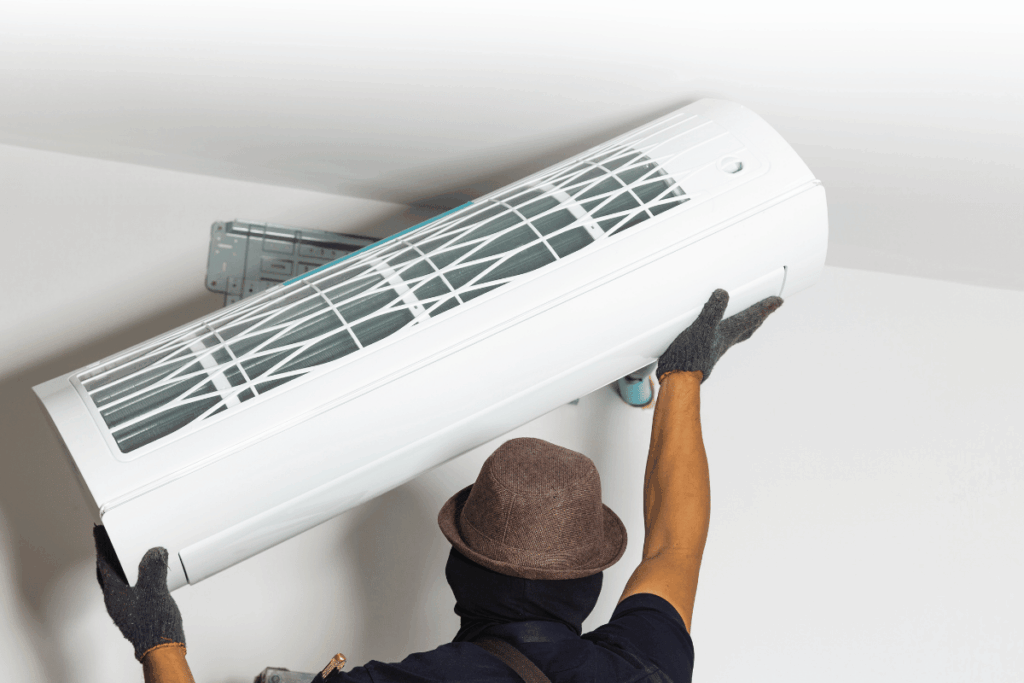
A new air conditioner is a big investment, and the installation matters as much as the unit itself. A poorly installed system can run noisily, cost more to operate, break down early or create real safety risks. Knowing how to choose an AC installer helps you avoid all of that.
This guide covers the licences Victorian installers should hold, the red flags to watch for, and the questions worth asking before you say yes to a quote.
Why Your Choice of AC Installer Matters
Even a premium split system will underperform if it’s installed badly. Common problems from poor workmanship include:
- Refrigerant leaks that reduce cooling and heating performance
- Water leaking from badly angled drain lines
- Outdoor units placed where they cause noise complaints or restricted airflow
- Electrical faults that put your home at risk
- Warranty problems if the manufacturer’s installation requirements weren’t followed
Choosing the right installer protects your comfort, your power bills and your safety.
Licences a Victorian AC Installer Should Hold
Air conditioning installation in Victoria involves plumbing, refrigerant, and electrical work, so more than one licence can be involved. According to the VBA’s guidance on air conditioning installation, practitioners installing or replacing refrigerated air conditioners need the right registration, and the work must also meet refrigerant and electrical requirements.
Here’s what to look for:
- Plumbing registration or licence (VBA)
The Victorian Building Authority licenses and registers plumbers, including those authorised to install or replace air conditioners. You can check a practitioner’s status on the VBA’s online register. - Refrigerant handling licence
Anyone handling refrigerant must hold the appropriate refrigerant handling licence. This protects both the environment and the performance of your system. - Electrical licence or Registered Electrical Contractor (ESV)
Any electrical work must be done by a licensed electrician (A grade) or a Registered Electrical Contractor (REC). Energy Safe Victoria regulates this, and you can find licensed tradespeople and safety information on the ESV website. - Certificate of Electrical Safety
If the installation includes electrical work, your installer must provide a Certificate of Electrical Safety. Keep it with your property records.
Tip: Ask to see licences and check them yourself. A genuine installer will be happy to share their details.
Red Flags to Watch For
Not every problem shows up on a licence check. Be cautious if you notice any of these:
- They can’t or won’t show licence details. This is the biggest red flag of all.
- The quote is far lower than everyone else’s. Cut-price quotes often mean skipped steps, cheap materials or unlicensed labour.
- There’s no site inspection. A proper quote for a ducted or multi-head system needs someone to look at your home, ceiling space and electrical setup.
- Vague quotes. If the quote doesn’t list the brand, model, capacity, pipe length, electrical work and what’s included, you can’t compare it fairly.
- High-pressure sales tactics. “Sign today or the price goes up” is a warning sign.
- They suggest the wrong size unit. Bigger isn’t better. An oversized or undersized system wastes energy and wears out faster.
- No mention of warranty or after-sales support. You should know who to call if something goes wrong.
- Cash-only or large upfront payments. Be wary of requests for the full amount before any work begins.
- No written agreement or paperwork. Everything should be in writing.
Questions to Ask Before You Hire
Use these questions when comparing installers. The answers will tell you a lot about their professionalism.
- Are you licensed, and can I see your details? Ask for plumbing, refrigerant and electrical credentials.
- Who will actually do the work? Find out whether it’s your installer’s own team or a subcontractor, and whether they’re licensed.
- Which system do you recommend for my home, and why? A good installer asks about room size, insulation, orientation and how you use the space.
- Is the quote fully itemised? Check that it covers the unit, installation, electrical work, brackets, piping, drainage and removal of old equipment.
- Where will the indoor and outdoor units go? Placement affects noise, airflow, appearance and neighbours.
- What warranty applies to the equipment and the workmanship? These are separate, so ask about both.
- Do you follow the manufacturer’s installation requirements? This helps protect your warranty.
- What happens if there’s a problem after installation? Ask who you call and how quickly they respond.
- How long will the job take, and what do you need from me? This helps you plan access and parking.
- Can you help with energy-efficiency options or rebates? Check whether you may be eligible for the VEU rebate.
Match the Installer to the System
Different systems need different expertise, so make sure your installer has experience with the type you want:
- Split system AC installation: Ideal for single rooms and open-plan living areas.
- Multi-head split systems: One outdoor unit serving several indoor units, which needs careful planning.
- Ducted air conditioning installation: Whole-home comfort that depends on correct design, zoning and ductwork.
- Reverse cycle air conditioning: Efficient heating and cooling in one system.
- Energy-efficient AC installation: Helps keep running costs down over the life of the system.
If you already have a specific brand in mind, look for an installer with experience in it, such as Daikin, Mitsubishi or Fujitsu.
Local Installation Across Melbourne
Local knowledge helps, from access and parking to council requirements and typical home layouts. Kelvinaire’s team services suburbs right across Melbourne, including:
- Split system installs in Hampton and Brighton
- Ducted systems in Toorak and Bentleigh
- Reverse cycle installations in Box Hill and Richmond
- Service, repairs and installs in Mulgrave and Clayton
You can see the full list on the Kelvinaire service areas page.
What Happens After Installation
A good installer’s job doesn’t end when the unit is switched on. Before they leave, you should receive:
- A walkthrough of the remote, settings and filter cleaning
- Warranty information and paperwork
- Your Certificate of Electrical Safety, where electrical work was done
- Clear advice on ongoing maintenance
Regular maintenance keeps your system efficient and extends its life. If something goes wrong later, air conditioner service and repairs are available, including 24/7 emergency air conditioning repair when you can’t wait.
Frequently Asked Questions
Do AC installers need to be licensed in Victoria?
Yes. Installing a refrigerated air conditioner involves plumbing registration, refrigerant handling and licensed electrical work. Always ask to see credentials and verify them with the VBA and ESV.
Can I install a split system myself?
No. Installing a refrigerated air conditioner is not a DIY job. It involves refrigerant and electrical work that must be done by appropriately licensed people.
Is the cheapest quote the best option?
Rarely. Compare what’s included, the brand and model, the warranty and the installer’s credentials. A very low price can mean corners are being cut.
How do I know what size AC I need?
The right size depends on the room or home size, insulation, windows, ceiling height and how you use the space. A reputable installer will assess these factors rather than guess.
How long does air conditioning installation take?
A standard split system is often completed in a day. Multi-head and ducted systems take longer and need a site inspection first.
What should I get when the job is finished?
You should receive warranty details, a walkthrough of the system and a Certificate of Electrical Safety where electrical work was carried out.
Ready to Get Your Air Conditioner Installed Properly?
Kelvinaire’s licensed technicians have over 13 years of experience installing and servicing heating and cooling systems across Melbourne, with honest advice and clear quotes.
Call 0435 466 295 or request a free quote today.

