
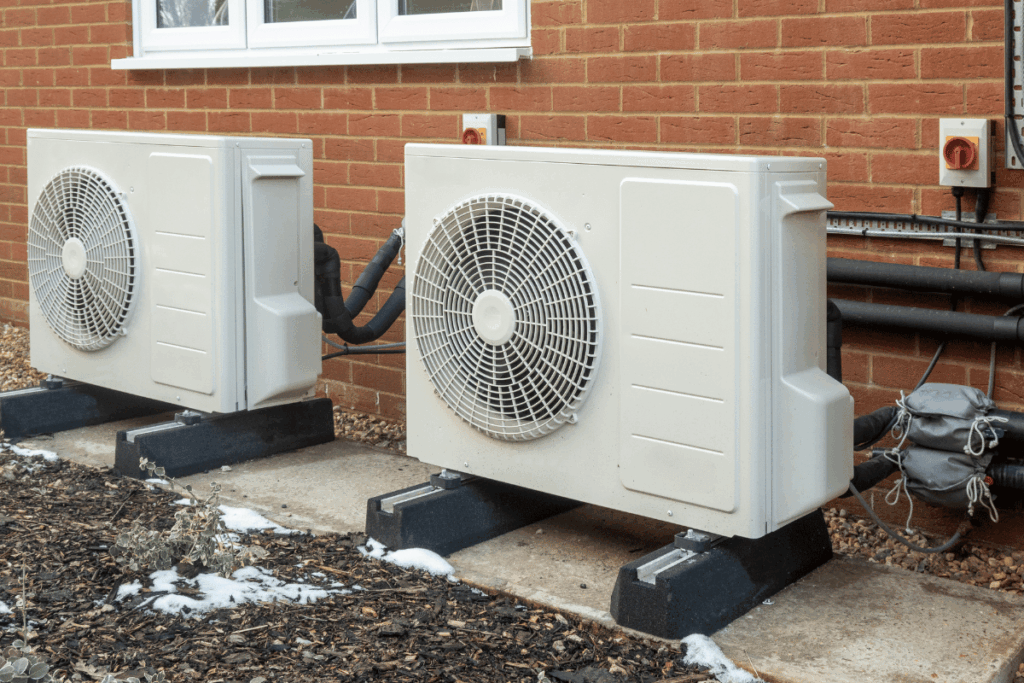
If your hot water system has just died, or is starting to leak, rust or run cold, you are probably staring at the same question as thousands of Melbourne households: should you stay with gas, switch to a heat pump, or go solar?
The answer has changed in the last few years. Rebates now favour electric and solar systems, gas prices have climbed, and Victorian rules around gas replacements are tightening. This guide compares the three options on running costs, upfront costs and suitability, so you can work out which one fits your home before you ask for a quote.
Quick answer: For most Melbourne homes, a heat pump is the best balance of upfront cost, running cost and reliability. Solar hot water wins on running costs when you have a clear north-facing roof and high hot water use. Gas still works in some situations, but it is the option with the most uncertainty ahead.
How each System Works
Heat pump hot water. A heat pump pulls heat from the surrounding air and uses it to warm the water in a storage tank, much like a refrigerator working in reverse. Because it moves heat instead of creating it, it uses roughly a third of the electricity of a standard electric system.
Gas hot water. Gas systems heat water by burning natural gas, either in a storage tank or instantly as it flows through (continuous flow). They are quick to recover and familiar to most Melbourne homeowners.
Solar hot water. Roof-mounted collectors heat water using the sun, which is stored in a tank. In Melbourne, a booster (electric or gas) fills the gaps on cloudy days and in winter.
Running Costs Compared
Running costs depend on your household size, tariff, and usage, so treat the figures below as indicative for a typical three- to four-person Melbourne household. Your quote should confirm numbers for your own situation.
| System |
Typical annual running cost |
Notes |
|---|---|---|
| Heat pump | $150 to $350 | Lower on an off-peak tariff, and as low as $50 to $100 if powered by rooftop solar panels |
| Solar hot water (with booster) | $100 to $350 | Winter boosting can account for 30 to 40 per cent of the energy used |
| Gas (storage or continuous flow) | $450 to $900 | Includes a share of the daily gas supply charge, which you pay regardless of usage |
Two things are worth knowing here.
First, the gas supply charge is the hidden cost. If hot water is the only thing in your home running on gas, you are paying a fixed daily charge for a single appliance. Disconnecting gas can remove it entirely.
Second, a heat pump is not as efficient in winter as in summer. Its efficiency drops when the air is cold, but Melbourne’s winter lows of around 4 to 7 degrees are well within what modern units handle comfortably, so it keeps delivering year-round.
If you already have solar panels, a heat pump can run on your own daytime generation. Our guide to solar panels and air conditioning explains how to shift loads into the middle of the day to get more value from your system.
Upfront Costs Compared
These are typical installed prices in Melbourne before rebates. Final pricing varies with tank size, brand, access and whether any plumbing or electrical changes are needed.
| System | Typical installed cost (before rebates) | Typical lifespan |
|---|---|---|
| Gas storage | $900 to $2,500 | 8 to 12 years |
| Gas continuous flow | $1,500 to $3,800 | 10 to 15 years |
| Heat pump | $2,500 to $5,500 | 12 to 15 years |
| Solar hot water | $4,000 to $7,500 | 15 to 20 years |
Gas is cheapest on the day of installation. Heat pumps cost more upfront, but the gap shrinks quickly once rebates are applied and running costs are factored in. Solar has the highest purchase price and the longest lifespan.
Rebates that can Bring the Price Down
Victoria offers two main incentives for replacing a hot water system, and they can be combined for eligible households.
Victorian Energy Upgrades (VEU). Under the program, the Victorian Government’s hot water system discounts are applied by an accredited provider directly to your quote. At the time of writing, the listed discounts are:
- Replacing an inefficient electric system with a heat pump: $630
- Replacing an inefficient electric system with a solar-boosted system: $910
- Replacing a gas system with a heat pump: $560
- Replacing a gas system with a solar-boosted system: $700
To qualify, the building must be at least two years old, the product must be approved and carry a minimum five-year warranty, and households contribute a minimum of $200.
Solar Homes hot water rebate. Separately, Solar Victoria’s hot water rebate offers up to $1,000 for an eligible heat pump or solar hot water system, or up to $1,400 for qualifying locally made products. You generally need to be an owner-occupier with a combined household taxable income under $150,000, a property valued under $3 million, and a system being replaced that is at least three years old.
Rebate rules, amounts and funding can change, so always check the official pages above or ask your installer to confirm what applies on the day you book. Kelvinaire can explain how the VEU rebate process works and handle the paperwork where eligible.
Heads up on gas replacements. According to the Victorian Government, from 1 March 2027, if a gas hot water appliance fails and cannot be repaired, it must be replaced with an electric alternative in most cases. If you are planning ahead, that is another reason to look at a heat pump or solar system now rather than being forced into a rushed decision later.
Which system suits which Melbourne home?
Family homes in Melbourne’s south-east
Established family homes with ground-level space down the side or at the back are ideal for a heat pump. In suburbs such as Bentleigh, Oakleigh, Mount Waverley and Mulgrave, there is usually room for the outdoor tank and the airflow clearance it needs (roughly 600 mm by 600 mm, plus space around it).
Bayside period homes with tight access
Older homes in areas like Brighton, Sandringham and Hampton often have narrow side access and a gas hot water unit already in place. A continuous flow gas unit is the easiest swap, but if you can fit a heat pump, you will gain on running costs and rebate eligibility. A site check is the quickest way to find out.
Large homes with high hot water demand
Bigger households in areas like Toorak, Caulfield and Box Hill use more hot water, which is where solar hot water makes the most sense, provided you have a roof facing north (or within about 30 degrees of north) with little shade. The more hot water you use, the faster the higher purchase price pays itself back.
Apartments, townhouses and small courtyards
Where there is no suitable roof and little outdoor space, such as in Southbank, St Kilda and Richmond, a compact heat pump or an electric system is often the practical choice. Check with your owners corporation first, as it may need to approve changes.
Homes with solar panels already installed
If you already have rooftop solar, a heat pump is usually the best fit. It uses your own generation during the day, which can push annual running costs very low, and it avoids the need for a second set of collectors on the roof.
Homes with gas ducted heating
If your gas is also running a ducted heating system, the supply charge is less of an issue and a gas hot water unit makes more financial sense in the short term. Many households in this position still choose a heat pump for hot water and look at upgrading heating separately. Our heating efficiency solutions and gas ducted heating service pages cover your options. If you are also thinking about a split system for heating and cooling, see our energy-efficient AC installation service.
Quick Decision Guide
| If this sounds like you | Consider |
|---|---|
| Want the lowest lifetime cost with a manageable upfront price | Heat pump |
| Have a large north-facing roof and high hot water use | Solar hot water |
| Have solar panels already | Heat pump |
| Need the cheapest possible swap today and have tight access | Gas continuous flow (but check the 2027 rule) |
| Want to drop your gas connection and its supply charge | Heat pump or solar |
| Live in an apartment or townhouse with limited space | Compact heat pump or electric |
Frequently Asked Questions
Is a heat pump cheaper to run than gas in Melbourne?
In most cases, yes. A heat pump uses electricity to move heat rather than create it, so it typically costs less to run than gas, especially once you factor in the daily gas supply charge. The gap widens if you have solar panels or an off-peak tariff.
Do heat pumps work in Melbourne's winter?
Yes. Efficiency drops in cold weather, but Melbourne’s winter temperatures are well within the operating range of modern heat pumps, and they keep delivering hot water throughout the colder months.
Is solar hot water worth it in Melbourne?
It can be, particularly for larger households with a north-facing, unshaded roof. Melbourne’s winter sunshine is limited, so the booster does more work than it would in a warmer city, and the high purchase price takes longer to recover for smaller households.
Can I get a rebate if I am replacing a gas hot water system?
Yes. Under Victorian Energy Upgrades, replacing a gas system with a heat pump or solar-boosted system can qualify for a discount, and eligible owner-occupiers may also access the Solar Homes hot water rebate. Check the current rules or ask your installer to confirm.
How long does a hot water changeover take?
Most straightforward changeovers are completed in a few hours, though solar systems can take a day or two because of the roof work.
Get a Fixed-Price Quote for your Home
Choosing between a heat pump, gas and solar hot water is easier with the right advice for your property. Kelvinaire’s licensed team has more than 13 years of experience across Melbourne, and we provide honest repair-or-replace advice before any work begins.
Learn more about our hot water system changeover service, or contact us or call 0435 466 295 for a quote.
General information only. Costs, rebates and eligibility change over time and vary by property, so confirm current details with the relevant government site and your installer before making a decision.

