
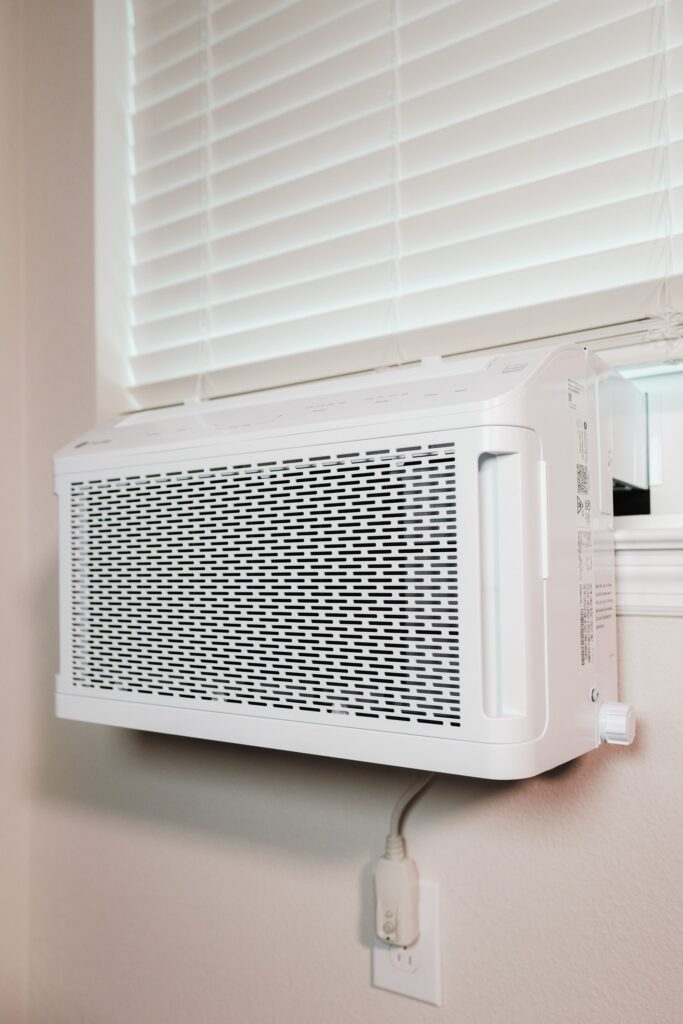
If you’ve ever woken up with a blocked nose, itchy eyes, or a scratchy throat despite feeling perfectly fine the night before, the culprit might not be outside at all. It could be the air circulating through your own home. For the huge number of Melburnians who deal with hay fever, dust allergies, or asthma, the question “can HEPA air purifiers reduce allergies?” comes up a lot, especially as spring pollen counts climb and Melbourne’s notoriously changeable weather keeps everyone’s sinuses guessing.
The short answer is yes, HEPA air purifiers can make a real difference. But like most things worth doing properly, there’s more to it than just plugging in a unit and hoping for the best. Let’s break down how HEPA filtration actually works, what it can and can’t do for your allergies, and how to get the most out of it in a Melbourne home.
What Makes HEPA Filtration Different
HEPA stands for High Efficiency Particulate Air, and it’s not just marketing spin. A genuine HEPA filter is designed to capture up to 99.97% of airborne particles as small as 0.3 microns, which covers the vast majority of the allergens that trigger reactions indoors: dust, pollen, pet dander, dust mite droppings, and mould spores.
Standard air conditioner filters, by comparison, are mostly designed to protect the system itself from larger debris. They’re not fine enough to catch the microscopic particles that actually cause allergy symptoms. That’s the key difference. A HEPA-grade filter is doing genuine air purification work, not just basic dust protection for your unit.
How HEPA Purifiers Tackle Common Allergy Triggers
Different allergens behave differently indoors, and HEPA filtration addresses each of them in slightly different ways.
Pollen is highly seasonal in Melbourne, with grass pollen counts often spiking from late spring through early summer. Even with windows shut, pollen finds its way indoors on clothing, pets, and through small gaps around doors and windows. A HEPA purifier continuously pulls this pollen out of circulation rather than letting it settle and get kicked back up every time someone walks across the room.
Dust mites thrive in soft furnishings, bedding, and carpets, and their droppings are one of the most common year-round allergy triggers. While a purifier can’t reach into your mattress, it does capture the mite allergens that become airborne once disturbed, which happens constantly through daily movement around the house.
Pet dander is notoriously fine and sticky, clinging to soft surfaces and recirculating easily. HEPA filtration is genuinely effective here, since dander particles fall well within the size range HEPA filters are designed to capture.
Mould spores can be a particular issue in Melbourne homes given our humid summers and cooler, damper winters. HEPA purifiers help reduce airborne spore levels, though they work best alongside proper humidity control and ventilation, since a purifier alone won’t fix an underlying moisture problem.
Standalone Units vs Whole-Home Filtration
One of the most common questions homeowners ask is whether they need a purifier in every room, or whether a single unit will do the job. The honest answer depends on your setup.
A standalone HEPA air purifier is a solid option for a bedroom or main living area, particularly if you or a family member has more severe allergy or asthma symptoms and want cleaner air in the space you spend the most time in. For broader, whole-home relief, HEPA filtration can also be integrated directly into your ducted air conditioning system, filtering air throughout every connected room every time the system runs. For a lot of Melbourne households, this integrated approach ends up being the more practical long-term solution, since it doesn’t rely on remembering to run a unit in each room.
Why Dirty Ducts Can Undo the Good Work
Here’s something that catches a lot of people out: you can install a brand-new HEPA purifier and still not get the allergy relief you’re hoping for, if your ductwork itself is dirty. Ducts that haven’t been cleaned in years can hold years of accumulated dust, pet hair, and debris, which gets stirred up and pushed back into your living spaces every time your heating or cooling kicks in.
In fact, duct cleaning has been shown to meaningfully reduce allergy symptoms on its own, by removing years of built-up dust, dust mites, and mould directly from the source. Pairing clean ducts with HEPA filtration gives you the best of both worlds: contaminants are removed from the ductwork itself, and any remaining airborne particles get captured before they circulate.
Getting the Most Out of Your HEPA Purifier
A few practical habits make a real difference to how well HEPA filtration performs for allergy relief:
- Run it consistently, not just when symptoms flare up. Continuous low-level filtration keeps allergen levels down, rather than playing catch-up after a bad reaction has already started.
- Replace or clean filters on schedule. A clogged HEPA filter loses effectiveness and can restrict airflow, so stick to the manufacturer’s recommended replacement timeframe.
- Pair it with regular vacuuming and washing of soft furnishings. A purifier catches airborne particles, but it won’t remove allergens sitting in carpets or bedding.
- Address humidity and ventilation issues too. If mould or dampness is a recurring problem, a broader ventilation and indoor air quality strategy will get better results than filtration alone.
- Get your ducts checked if symptoms persist. If allergy symptoms haven’t improved despite a purifier running, dirty ductwork could be reintroducing allergens faster than the unit can capture them.
What HEPA Purifiers Won't Fix
It’s worth being upfront that HEPA purifiers aren’t a cure-all. They won’t remove allergens already embedded in carpets, curtains, or upholstery, and they won’t solve a structural moisture or ventilation problem on their own. For households with more complex indoor air quality issues, a proper assessment of poor indoor air quality can identify exactly what’s contributing to symptoms, so filtration efforts are targeted at the right problem rather than treated as a blanket fix.
The Bottom Line for Melbourne Allergy Sufferers
So, can HEPA air purifiers reduce allergies? For the vast majority of households, yes, genuinely and noticeably, particularly when it comes to pollen, dust, pet dander, and dust mite allergens. The key is choosing the right setup for your home, keeping filters properly maintained, and making sure your ductwork isn’t working against you by reintroducing the very particles you’re trying to filter out.
If you’re dealing with ongoing allergy symptoms and want to work out the best combination of HEPA filtration, ductwork cleaning, and ventilation for your home, the team at Kelvinaire has over 13 years’ experience helping Melbourne households breathe easier. We’ll assess your setup and recommend a solution that actually fits how your home is used.
Get in touch with Kelvinaire today for a fast quote and take the first step toward allergy relief that lasts longer than the next pollen count.

