When winter settles into inner-city Melbourne, heating choices matter. Apartments, terraces, and townhouses all face the same question: what’s the most efficient, cost-effective, and comfortable way to heat your home?
For many locals, the comparison comes down to Reverse Cycle systems versus traditional electric heaters. While both options can keep you warm, the difference in performance, running costs, and long-term value is significant.
This guide breaks down reverse cycle vs electric heating, using real-world considerations for Melbourne homes and helping you decide which option makes sense for your space.
How Reverse Cycle Heating Actually Works
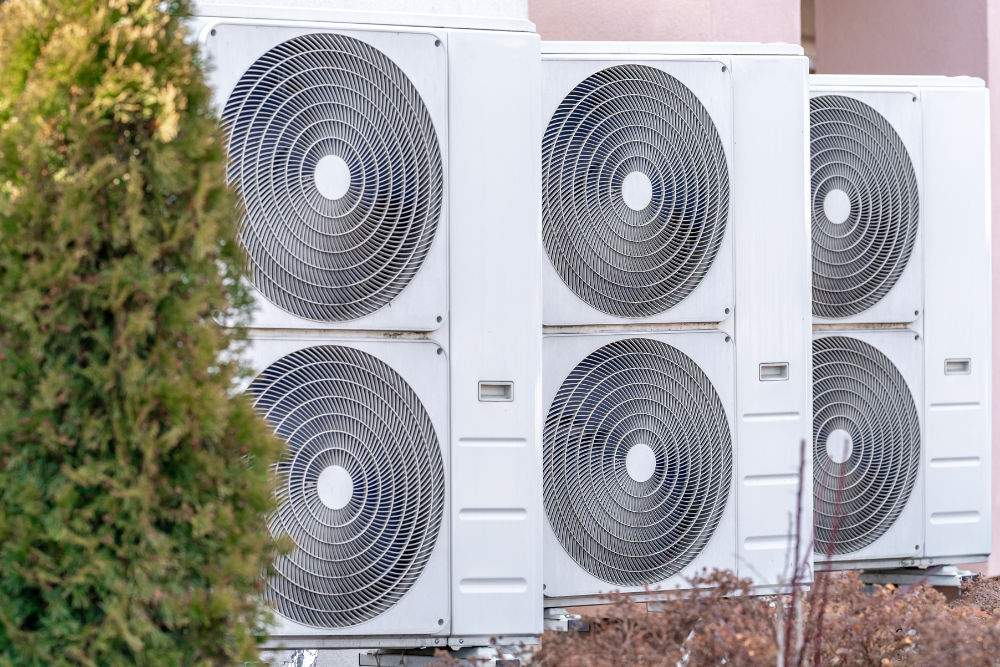
A reverse-cycle air conditioner doesn’t create heat the same way an electric heater does. Instead, it transfers heat from the outside air into your home—even on cold Melbourne mornings. This process makes reverse cycle heating and cooling far more energy-efficient than resistance-based electric heaters.
In inner city homes, where insulation, ceiling height, and space matter, reverse cycle air conditioning Melbourne solutions have become the preferred option.
There are two main system types:
Reverse cycle split system – ideal for apartments or single rooms
Reverse cycle ducted air conditioning – best for whole-home comfort
Both options provide heating in winter and cooling in summer, making them a year-round solution rather than a single-season fix.
Reverse Cycle vs Electric Heating: Key Differences
1. Energy Efficiency and Performance
When comparing reverse cycle heating vs electric heater, efficiency is the biggest differentiator.
A reverse cycle system can produce up to three times more heat energy than the electricity it uses. That’s why reverse cycle air conditioner efficiency consistently outperforms portable or panel electric heaters.
According to the Australian Government’s YourHome guide, reverse cycle systems are among the most energy-efficient heating options available for Australian climates.
2. Running Costs in Melbourne
Electric heaters may be cheap to buy, but their running costs quickly add up. In contrast, reverse cycle air conditioning running costs are significantly lower, especially for regular use.
For inner city properties, reverse cycle heating costs Melbourne households experience are typically far lower over a full winter. This makes reverse cycle systems a smarter long-term investment, particularly as energy prices continue to rise.
The Victorian Government also highlights energy-efficient heating systems as a way to reduce household energy bills.
3. Comfort and Coverage
Electric heaters heat the air directly around them, often leaving cold spots throughout the room. A reverse-cycle air conditioner for winter distributes warmth evenly and maintains a consistent temperature.
Whether you choose a reverse cycle split system Melbourne apartment solution or a reverse cycle ducted system Melbourne home setup, comfort is noticeably better.
Costs, Installation, and Long-Term Value
Upfront and Installation Costs
The reverse cycle air conditioning cost Melbourne homeowners see upfront is higher than buying an electric heater. However, that cost includes:
Heating and cooling in one system
Better temperature control
Lower ongoing energy use
Professional reverse cycle air conditioning installation Melbourne services ensure the system is correctly sized and positioned, which directly impacts efficiency and lifespan.
Maintenance and Repairs
Like any mechanical system, regular servicing matters. Scheduled reverse cycle air conditioning service Melbourne appointments help maintain performance, while prompt reverse cycle air conditioning repairs Melbourne prevent small issues from becoming expensive problems.
Electric heaters may seem maintenance-free, but their shorter lifespan often leads to frequent replacements.
Why Reverse Cycle Is Better Suited to Inner City Melbourne
Inner city Melbourne homes face unique challenges—limited space, noise considerations, and the need for efficient climate control. Reverse cycle systems address all three.
Key reverse cycle air conditioning benefits include:
Quiet operation
Zoned heating options
Lower emissions compared to electric heaters
Improved indoor comfort year-round
For many households, choosing the best reverse cycle air conditioner Melbourne options means balancing performance with space efficiency—something split and ducted systems handle exceptionally well.
Final Thoughts: Which Heating Option Wins?
When weighing reverse cycle vs electric heating, the answer is clear for most inner-city Melbourne homes. Reverse cycle systems deliver better efficiency, lower running costs, and year-round comfort.
While electric heaters may suit short-term or occasional use, reverse cycle heating Melbourne solutions provide long-term value that aligns with modern living and rising energy expectations.
If you’re considering a reverse cycle air conditioner for your inner-city Melbourne property, Kelvinaire Climate Control Solutions can help you choose the right system for your space and budget.
Ready to talk with an expert?
Let’s make your home comfortable in every Melbourne season—efficiently and reliably.

