
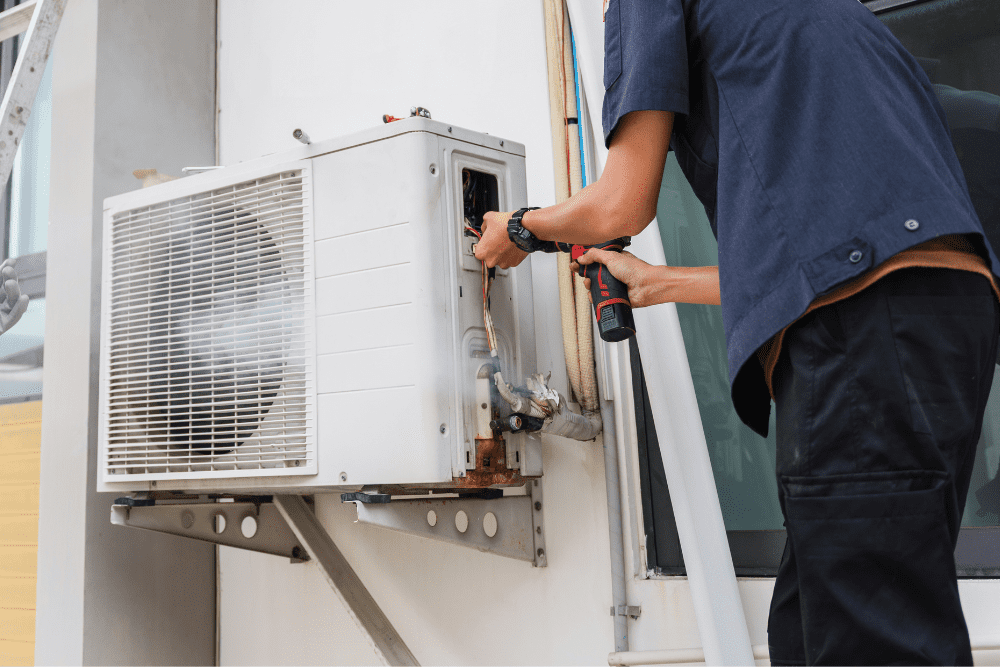
Melbourne is known for its famously unpredictable weather, cool, breezy mornings that can turn into scorching hot afternoons in an instant. Whether you live in a small apartment in the CBD, a family home in the suburbs, or manage a commercial property, air conditioning is often essential for comfort. But when your system breaks down or starts under-performing, the question on everyone’s mind is: how much will it cost to fix?
In this comprehensive guide, we’ll break down the average cost of air conditioning repair Melbourne homeowners and business owners can expect, the factors that drive price variations, and practical tips to keep your cooling system running efficiently and affordably. Whether you’re dealing with a simple filter issue or a major compressor failure, this article will help you understand what goes into pricing so you can budget with confidence.
Understanding What “Air Conditioning Repair” Really Means
Before talking numbers, it’s important to understand that “air conditioning repair” isn’t a single type of service; it’s a spectrum of possible fixes that vary in complexity, parts required, and labour involved.
In general, air conditioner repair can include:
- Routine checks and diagnostic assessments to identify problems.
- Cleaning or replacement of filters and fans.
- Recharging refrigerant gas or fixing leaks.
- Replacing worn components such as thermostats, capacitors or circuit boards.
- Major repairs, such as compressor or condenser replacement.
Because each of these jobs requires different skills, time and materials, prices can range widely. In Melbourne, where labour rates and parts costs tend to be a bit higher than in smaller regional centres, repair costs sit within certain localised averages that we’ll explore below.
Average Costs for Air Conditioning Repair in Melbourne
Let’s break down typical price ranges you can expect when booking air conditioning repair services in Melbourne. Keep in mind that these are approximate averages; individual quotes can vary based on system type, age, urgency and service provider.
1. Minor Repairs and Routine Fixes
These are the most common jobs that technicians are called out to handle, and they tend to be the least expensive:
- Air filter replacement or cleaning: Around $60–$170. Filtering dust and debris helps your system operate efficiently and improves indoor air quality.
- Thermostat repair or replacement: Around $100–$350. If your cooling isn’t reaching the set temperature or the unit won’t turn on, this part may need fixing.
- Drainage or condensate line clearing: Around $150–$350. Blocked drains can lead to leaks or water damage.
This category represents typical small-to-medium jobs that many systems need at some point, especially if regular maintenance has been neglected.
2. Mid-Range Repairs
These involve more involved parts or systems and usually require a technician to spend more hours on site:
- Refrigerant recharge and leak repair: About $300–$900. Refrigerant issues are common causes of cooling inefficiency, but need a licensed technician to address them safely.
- Blower or fan motor replacement: About $350–$900. If air isn’t circulating properly, you’ll likely need one of these components fixed.
- Control board or PCB replacement: Around $400–$900. Electronics that control your system can fail over time, especially in older units.
Mid-range repairs tend to reflect what most Melbourne households pay from time to time, not trivial, but not exorbitant either.
3. Major Repairs
This is where costs can climb significantly owing to the complexity and importance of the components involved:
- Compressor repairs or replacement: From about $1,200 up to $3,500+. The compressor is essentially the heart of your air conditioner, and major issues here can be costly.
- Condenser replacement: Around $1,700–$3,300. This component works with the compressor to release heat; replacement can be pricey due to parts and labour.
When a major component fails, it’s worth considering the age of the system too. If your AC unit is over 10–12 years old, spending thousands on a major repair might not be the best value compared with investing in a new, energy-efficient model.
4. General Call-Out and Labour Fees
Many technicians charge a service call fee plus labour, especially for diagnostic visits. A typical booking might involve:
- Service call fee: Around $150–$200 or more upfront for arrival and basic diagnosis.
- Labour: Often charged per 30 minutes or hour, depending on the company and job complexity.
These fees cover the technician’s time on site and are usually separate from parts or replacement component charges.
Factors That Influence Repair Costs in Melbourne
Several key elements determine where your final air conditioning repair in Melbourne bill will land within the ranges above:
System Type and Complexity
Different systems vary widely in design and repair difficulty:
- Split system units, common in homes, are generally simpler and cheaper to repair.
- Ducted and commercial systems often require more labour and expensive parts.
- High-end or smart systems with advanced controls may require specialised parts and expertise, increasing costs.
Understanding your system type helps set realistic expectations.
Age of the Unit
Older units tend to break more often, and parts may be harder to find. If a system is near the end of its typical lifespan, technicians might recommend replacement instead of frequent fixes.
Parts Availability and Brand
Brand reputation affects pricing, too. Premium brands might cost more to repair because their parts are pricier or only available through authorised suppliers. Some technicians also charge a markup on parts, so ask for clarity on part costs.
Timing and Urgency
Emergency call-outs during peak summer or after hours usually come with a premium. A technician attending outside normal business hours might charge extra. Planning your repair early, before the most extreme weather hits, can help reduce costs.
Location within Melbourne
Inner-city suburbs with higher living costs can sometimes attract slightly higher labour rates compared with outer suburbs. That said, competition among service providers in Melbourne often keeps pricing competitive.
Repair vs Replacement: When It’s Time to Upgrade
While repairing your existing system will usually cost less upfront, there are times when replacement may make more financial sense:
- If the unit is older than 10 – 12 years, repair costs can add up quickly. Frequent breakdowns indicate it may be nearing the end of its useful life.
- If the cost of repair is more than half the value of a new system, replacement might be a smarter choice.
- Newer systems are generally more energy efficient, which can reduce energy bills over time and improve comfort.
Balancing repair costs against the long-term value of a new installation is a decision best made with your technician and by comparing multiple quotes.
Tips to Reduce Air Conditioning Repair Costs in Melbourne
Here are practical steps you can take to minimise repair bills:
1. Prioritise Regular Maintenance
Routine servicing at least once a year can prevent many common issues before they become costly repairs. Maintenance typically costs much less than repair and can extend your unit’s lifespan.
2. Keep Your Filters Clean
Clogged filters increase system strain and can lead to blower or compressor issues over time. Cleaning filters regularly at home reduces wear and tear.
3. Arrange Early-Season Bookings
Technicians are busiest during the summer. Booking a check-up or minor repairs in cooler months can mean faster service and better pricing.
4. Get Multiple Quotes
Don’t settle for the first quote you receive. Comparing three or more quotes not only gives you peace of mind but can also uncover competitive offers.
5. Check Licensing and Warranty
Always ensure the technician has the correct Refrigerant Handling Licence, and check whether your system is still under manufacturer warranty; you might have repair coverage available.
Government Resources to Guide Air Conditioning Decisions
It’s not just repair costs to consider — efficiency, energy use and maintenance also have broader implications for running costs and comfort.
Energy Efficiency and Heating/Cooling Guidance
The Australian government offers advice on heating and cooling systems, noting that air conditioners account for a significant portion of household energy use. Choosing the right system size, maintaining airflow, and scheduling regular service all help improve efficiency and reduce running costs. The guidance also emphasises cleaning filters, proper placement and professional servicing to maintain system performance.
Tips to Use Air Conditioners Efficiently
Australian Government resources explain practical steps to save energy when using air conditioners. Simple actions like setting reasonable temperatures, cleaning filters, and reducing conditioned space can lower running costs and reduce the strain on your system, which in turn can cut down the frequency of repairs.
These resources aren’t just for homeowners; they provide valuable context for when considering air conditioning repair in Melbourne, since efficient operation helps reduce the likelihood of breakdowns.
Making Wise Decisions for Your Melbourne Air Conditioning Repair
The average cost of air conditioning repair in Melbourne varies widely based on what needs fixing, your system type, and the urgency of the job. While minor repairs and routine maintenance are often affordable, major component failures can be expensive. However, a well-informed approach, including regular servicing, comparing quotes, and early diagnosis, can help you control costs and extend your system’s life.
Ultimately, a timely, thoughtful repair can keep your unit working efficiently and save you money in the long run. By understanding the factors at play and preparing for common price ranges, you’ll be in the best position to make smart decisions when your air conditioner needs attention.

