
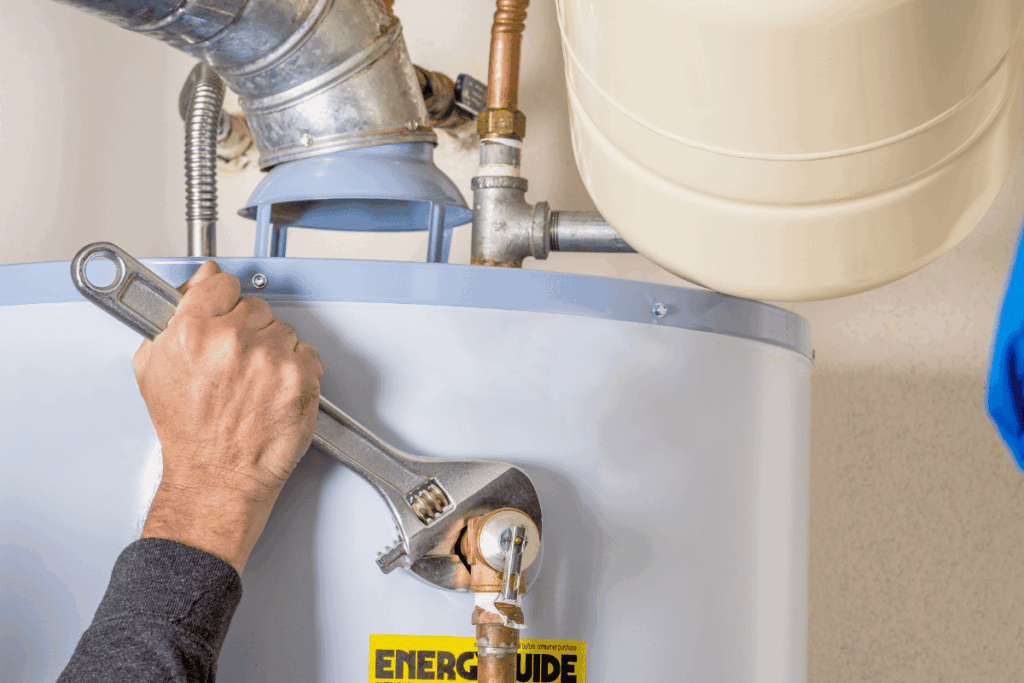
Nobody plans for a cold shower. Most people only think about their hot water system when it stops working, usually at the worst possible time. If yours is ageing, leaking or struggling to keep up, a hot water changeover is probably on the cards.
The good news is that it is a fairly quick job. The less welcome news is that the price can vary a lot depending on the system you choose and what your property needs. This guide covers what a changeover involves, how long it takes, what you can expect to pay, and how to fund it without draining your savings.
What Is a Hot Water Changeover?
A hot water changeover is the process of removing your existing hot water system and installing a new one. It might be a like-for-like swap, such as an old electric tank for a new electric tank. Or it might be a switch to a different technology, such as gas to heat pump, or electric to solar.
Changing type is often worth considering. Heating water is one of the biggest energy uses in an Australian home, so the system you choose has a real impact on your power or gas bills for the next decade.
Signs It's Time for a Changeover
Most hot water systems last around 8 to 10 years. You can usually find the age on the manufacturer’s sticker near the top of the unit. It is often smarter to replace a system before it fails completely, rather than scrambling for a same-day fix. Common warning signs include:
- Water that runs lukewarm or runs out faster than it used to
- Rust-coloured water from the hot tap
- Water pooling around the base of the tank
- Banging, hissing or rumbling noises from the unit
- A steady rise in your energy bills with no change in usage
- A system that is more than 10 years old
What's Involved in a Hot Water Changeover?
Every job is a little different, but most changeovers follow the same basic steps:
- Assessment and quote. A licensed plumber checks your existing system, your access, and your gas, electrical and water connections. Get an itemised quote so you can see exactly what is included.
- Choosing the right system. Size matters. A unit that is too small means running out of hot water, and one that is too big wastes energy. Household size, usage habits, and available space all play a part.
- Isolating and draining the old unit. The water, power or gas supply is shut off and the tank is drained.
- Removing the old system. Your installer disconnects and takes away the old unit. Confirm that disposal is included in the quote.
- Installing the new system. The new unit is positioned, connected to the water supply and wired or plumbed in. Heat pumps need outdoor space with good airflow, and gas units need proper ventilation.
- Fitting safety components. Tempering valves and pressure relief valves are standard, and they protect against scalding and pressure build-up.
- Testing and compliance. The installer tests the system, checks for leaks, confirms the temperature and provides the paperwork for your records and warranty.
In Queensland, this work must be done by licensed tradespeople. That means a licensed plumber for the water and gas connections, and a licensed electrician if new wiring is needed. Rebates and warranties on solar and heat pump systems often depend on the right accredited installer, so always ask before you book.
How Long Does a Hot Water Changeover Take?
A straightforward like-for-like replacement typically takes between two and six hours. Most households are back to hot showers the same day.
Some jobs take longer. Switching from gas to a heat pump, or from electric to solar, can add pipework, electrical upgrades or roof work, which may stretch the job to a full day or require a second visit. Awkward access, older plumbing or a switchboard upgrade can also add time.
If your system has already failed, ask whether your installer can supply a temporary heater while you choose a replacement. Some do, and it takes the pressure off making a rushed decision.
What Does a Hot Water Changeover Cost?
Prices depend on the type of system, its size, your location, and how complex the installation is. As a general guide, typical installed costs in Australia look like this:
| System type | Typical installed cost | Running cost |
|---|---|---|
| Electric storage | $900 to $2,500 | Highest of the four; often $500 to $1,000 a year |
| Gas storage or continuous flow |
$1,200 to $3,500 | Medium |
| Heat pump | $3,000 to $6,000 before rebates | Low; roughly $150 to $300 a year |
| Solar | $3,800 to $7,500 before rebates | Very low, though most systems need a booster |
Recent price tracking put the average installed heat pump in Queensland at around $4,200 once federal incentives were applied. Your actual quote could be higher or lower, so treat all of these figures as a starting point only.
Costs That Can Catch You Out
Ask your installer about these before you say yes:
- Tempering valve: often $150 to $400 extra where one is required
- Electrical upgrades: a switchboard or new circuit for a heat pump
- Gas disconnection: capping off gas lines if you are moving away from gas
- Removal of old solar panels or collectors from the roof
- Difficult access: tight spaces, second storeys or long pipe runs
Rebates and Incentives
Eligible heat pump and solar hot water systems may qualify for small-scale technology certificates (STCs), which are usually applied as a discount on your invoice. Some states and territories run additional programs, and the rules change often. The Australian Government’s energy.gov.au hot water systems guide is a good place to check what is currently available where you live.
Cheapest Upfront vs Cheapest Over Time
The lowest quote is not always the cheapest system. An electric storage tank costs less to install, but it is usually the most expensive to run. A heat pump costs more upfront, yet it can use 60 to 75 per cent less electricity than a conventional electric system. For many households, that difference pays the extra cost back within a few years, especially if you have rooftop solar.
The best choice depends on your household size, your roof, your existing connections and how long you plan to stay in the property.
How to Pay for a Hot Water Changeover
If your system fails unexpectedly, a $3,000 to $6,000 bill can be hard to absorb. It also tends to arrive alongside other expenses. Here are the most common ways to cover it.
For homeowners and households
- Savings. The simplest option if you have a buffer you are comfortable using.
- A personal loan. A personal loan can spread the cost over a set term, and Moneysmart’s personal loans guide explains how they work and what to compare. Millard Financial can help you access competitive personal loans from a wide lender network.
- Debt consolidation. If you are also juggling other repayments, debt consolidation may simplify things.
- Avoid high-interest credit cards where possible. Card rates are often well above most personal loan rates, so the total cost of the changeover can climb quickly.
For businesses
Cafes, gyms, motels, salons, medical practices, workshops and manufacturers often rely on commercial hot water systems, and replacing one can be a significant outlay. Options include:
- Equipment finance or asset finance, which lets you spread the cost while the system earns its keep
- Business cash flow lending to protect your working capital
- Tax deductions, which may be available depending on your circumstances. Our guide to the instant asset write-off and EOFY is a useful starting point, and your accountant can confirm what applies to you.
Tips Before You Book
- Get at least three itemised quotes
- Confirm your installer’s licence and accreditation
- Ask about warranty terms on both the unit and the labour
- Check whether rebates or STCs apply before you sign
- Be wary of unsolicited offers for “free” systems
- Plan ahead if you can. A planned changeover is almost always cheaper and less stressful than an emergency one.
Talk to Millard Financial About Funding Your Changeover
Whether you are replacing the system at home or upgrading equipment for your business, we can help you find a finance solution that suits your budget. As a Gold Coast finance broker, we compare options across a wide network of lenders so you do not have to. If you would like to know more about how a broker can help, read our guide on why to use a commercial finance broker.
Get in touch with our team for an obligation-free chat.
Frequently Asked Questions
Can I replace my hot water system myself?
No. Hot water installations involve plumbing, and often gas or electrical work, which must be completed by licensed tradespeople. A DIY installation can also void your warranty and create safety risks.
How long will I be without hot water?
For most standard replacements, only a few hours. More complex changeovers, such as gas to heat pump, may take a full day or need a second visit.
Is a heat pump worth it?
For many households, yes. They cost more upfront but use far less electricity than a conventional electric tank, and rebates can reduce the initial price. It depends on your setup, so compare quotes and running costs before deciding.
Can I finance a hot water system?
Yes. Many households use a personal loan to spread the cost, and businesses can often use equipment or asset finance for commercial systems. Millard Financial can walk you through the options.
Should I repair or replace my system?
If the unit is under about eight years old and the fault is minor, a repair may make sense. If it is over 10 years old, leaking from the tank or needs repeated fixes, replacement is usually the better long-term value.
This article is general information only and does not take your personal circumstances into account. Costs are indicative and vary by installer, location and system. Your full financial situation would need to be reviewed before acceptance of any finance offer or product.

