
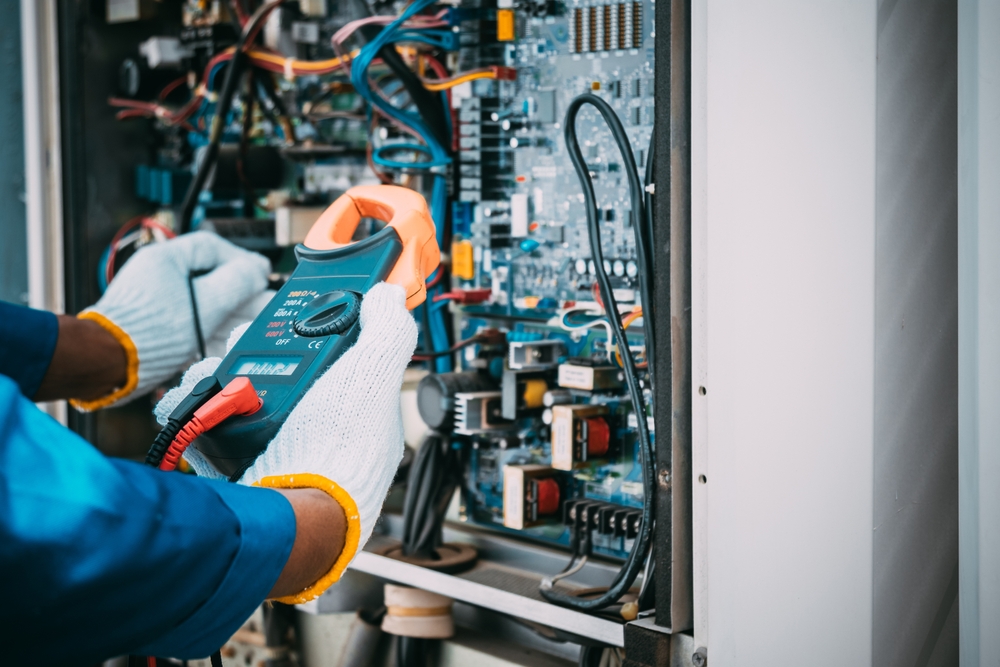
Ask most business owners when their HVAC system was last serviced, and you’ll get a fair few shrugs. It’s one of those things that runs quietly in the background, right up until it doesn’t, and by then you’re usually looking at an emergency callout, an uncomfortable office full of staff, or worse, a full system replacement that could’ve been avoided. A proper commercial HVAC maintenance schedule isn’t just good practice, it’s one of the more cost-effective decisions a business can make, and it’s a lot less complicated to set up than most people assume.
Here’s a practical breakdown of what a solid maintenance schedule actually looks like, and why sticking to it matters more for commercial systems than most business owners realise.
Why Commercial HVAC Needs a Different Approach to Residential
It’s worth understanding upfront that commercial systems aren’t just bigger versions of what you’d find in a house. As we’ve covered in our guide on industrial vs commercial HVAC, commercial systems are generally designed around occupant comfort across larger, often more complex spaces, and they typically run for longer hours with heavier daily use than a residential unit ever would.
That extra workload means components wear faster, dust and debris build up more quickly, and small issues left unchecked tend to snowball into bigger, more expensive problems. A maintenance schedule built around actual usage patterns, rather than a generic once-a-year checkup, makes a real difference to how long the system lasts and how well it performs day to day.
Building Blocks of a Commercial Maintenance Schedule
A well-structured schedule generally breaks down into a few different frequencies, each covering different tasks.
Monthly Checks
- Visual inspection of accessible components for obvious wear, leaks, or damage
- Filter checks, and replacement if visibly clogged, particularly important in retail or high-traffic environments where filters load up faster
- Confirming thermostats and controls are responding correctly
- A quick check for unusual noises or odours that might indicate a developing issue
Quarterly Servicing
- Cleaning or replacing filters on a fixed schedule, rather than waiting for visible buildup
- Inspecting and cleaning coils, since dirty coils are one of the most common causes of reduced efficiency in commercial systems
- Checking refrigerant levels and looking for signs of leaks
- Testing safety controls and system responses under load
- Inspecting ductwork for obvious signs of contamination or damage
Biannual or Seasonal Servicing
- A full system inspection ahead of Melbourne’s peak summer and winter demand periods, when systems are pushed hardest
- Testing overall system efficiency and comparing against baseline performance
- Checking electrical connections, motors, and belts for wear
- Reviewing airflow balance across the space to catch any zones running hotter or colder than they should
Annual Deep Servicing
- A comprehensive inspection of the full system, including components not typically accessed during routine servicing
- Professional duct cleaning to clear accumulated dust, debris, and allergens from ductwork, which is particularly important in commercial settings like offices, restaurants, and retail spaces where high foot traffic accelerates buildup
- A full efficiency audit to flag any components approaching the end of their useful life
- Documentation review to support warranty claims and compliance requirements
Why Skipping Maintenance Costs More in the Long Run
It’s tempting for businesses to treat HVAC maintenance as a discretionary cost, something to trim when budgets tighten. In practice, it tends to work the other way around. Systems that miss regular servicing run less efficiently, which shows up directly in energy bills. They’re also far more likely to experience unexpected breakdowns, and a commercial breakdown rarely happens at a convenient time, it’s more likely to occur during a heatwave or cold snap, exactly when the system is working hardest and a fix is most urgent.
There’s also the equipment lifespan question. Components under regular strain from dust buildup, low refrigerant, or restricted airflow wear out faster, meaning a system that could reasonably last 15 to 20 years with proper care might need major component replacement well before that if maintenance has been neglected.
Setting Up a Schedule That Actually Fits Your Business
Not every commercial space needs an identical schedule. A few factors shape how frequently servicing should happen:
- Type of business. Restaurants and food service environments generate more airborne grease and particulates, requiring more frequent filter and duct attention than a typical office.
- Occupancy and hours of operation. A 24-hour facility or retail space with heavy foot traffic puts more strain on a system than a standard nine-to-five office.
- Building age and system type. Older buildings or systems nearing the end of their expected lifespan often benefit from more frequent checks to catch developing issues early.
- Compliance requirements. Some industries, particularly healthcare, food service, and certain industrial settings, have specific regulatory requirements around air quality and system servicing that shape the minimum schedule.
- Sensitive equipment. Businesses running server rooms or data environments typically need far more frequent monitoring, given how quickly temperature fluctuations can affect equipment reliability.
Building Maintenance Into Your Broader HVAC Strategy
A maintenance schedule works best when it’s part of a bigger picture, not treated as an isolated task. This is particularly true if your business is planning a fit-out, expansion, or system upgrade, since maintenance requirements are far easier to plan for at the design stage than retrofitted in later. Our team’s work in mechanical HVAC design often factors future servicing access and requirements directly into the system layout, which saves a lot of hassle down the track.
For businesses managing multiple sites or a mix of older and newer equipment, a consolidated maintenance approach also makes budgeting more predictable, rather than dealing with reactive repairs as they crop up unannounced.
Getting Started With a Maintenance Plan
If your business doesn’t currently have a formal maintenance schedule in place, the good news is it’s a straightforward thing to set up. It starts with an assessment of your current system, its age, condition, and usage patterns, followed by a schedule tailored to your specific space rather than a generic template.
The team at Kelvinaire provides ongoing commercial HVAC services across Melbourne, covering everything from routine servicing and duct cleaning through to emergency repairs and full system upgrades. With over 13 years’ experience working with offices, retail spaces, warehouses, and industrial facilities, we help businesses build maintenance schedules that genuinely fit how their space operates, not just a box-ticking exercise.
Get in touch with Kelvinaire today to set up a maintenance plan that keeps your system running reliably, year-round.

