
If you’ve been shopping around for a heating and cooling solution for your home, chances are you’ve come across the term “reverse cycle air conditioning” more than once. But what does it actually mean, and more importantly, is it the right choice for your Melbourne home or apartment?
At Kelvinaire Climate Control Solutions, we help homeowners across Melbourne and the Eastern Suburbs find the most practical, energy-efficient comfort systems for their lifestyle. In this guide, we’ll break down everything you need to know — in plain English, no jargon.
So, What Is Reverse Cycle Air Conditioning?
Simply put, a reverse cycle air conditioning system is an all-in-one heating and cooling unit. It doesn’t just cool your home in summer, it can also heat it in winter, making it one of the most versatile home climate solutions available in Australia today.
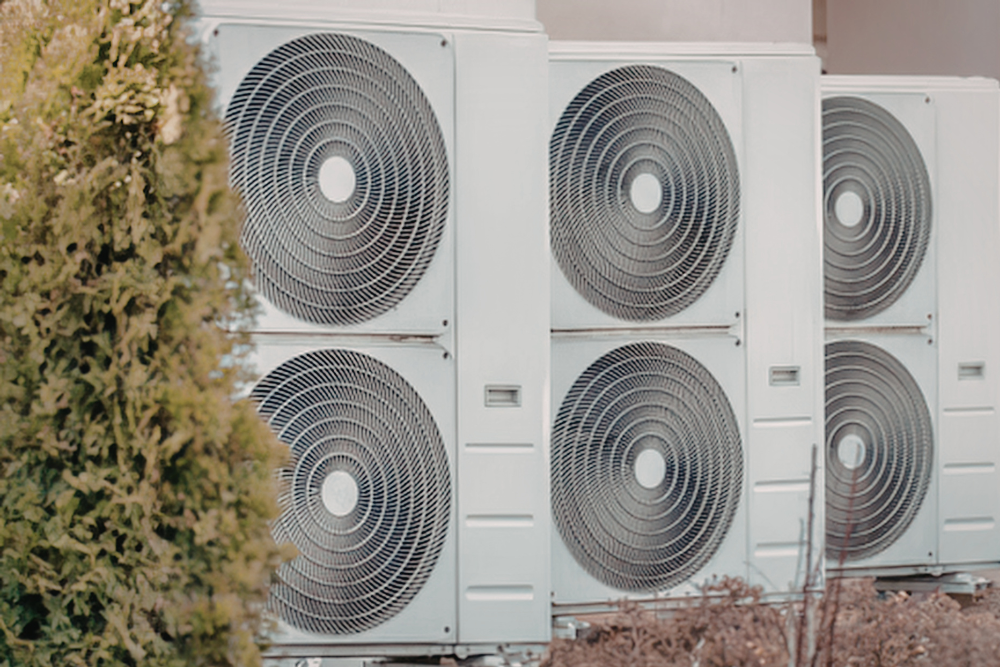
Here’s how reverse cycle air conditioning works: the system pulls heat from the outside air and moves it inside to warm your home during winter. In summer, it does the opposite, it removes heat from inside your home and pushes it outside to cool things down. Think of it like a refrigerator, but for your entire living space.
This process is far more energy-efficient than traditional heaters because the system is transferring heat rather than generating it. According to Energy Rating Australia (energyrating.gov.au), reverse cycle air conditioners are among the most efficient heating and cooling technologies available to Australian households, producing roughly three times more energy in heating or cooling output than the electricity they consume.
That’s a big deal for your power bill.
You’ll find reverse cycle systems available in two main formats:
- Split system reverse cycle air conditioner — a wall-mounted indoor unit paired with an outdoor compressor. Ideal for single rooms, apartments, or targeted zones in a home.
- Ducted reverse cycle air conditioning — a centralised system that connects to multiple rooms via ducts. Perfect for whole-home heating and cooling in larger Melbourne properties.
Both options give you full reverse cycle heating and cooling from a single system, with one remote or smart controller.
The Real Benefits of Reverse Cycle Air Conditioning for Melbourne Homes
Melbourne’s weather is famously unpredictable, you can have four seasons in one day, and that’s not just a saying. A system that handles both heating and cooling without skipping a beat is genuinely useful here.
Here’s why more Melbourne homeowners are making the switch:
1. Year-Round Comfort From One System
Rather than having a separate heater for winter and an air conditioner for summer, a reverse cycle air conditioning system does both. That means fewer appliances, less clutter, and one unified system to manage. Whether it’s a cold winter morning in Balwyn or a scorching afternoon in Box Hill, you’re covered.
2. Lower Running Costs Than You'd Expect
Reverse cycle air conditioning running costs are genuinely competitive when compared to gas ducted heating or electric heaters. Because the system moves heat rather than creates it, it’s far more efficient per kilowatt of electricity used. Over a full year, the reverse cycle air conditioning energy savings can be substantial, especially with an inverter model.
A reverse cycle inverter air conditioner adjusts its speed based on how much heating or cooling is actually needed at any given moment. Instead of switching on and off at full power, it runs continuously at a lower, more efficient level. The result? Steadier temperatures and lower bills.
For a deeper understanding of energy efficiency ratings and what to look for when comparing models, Energy Rating Australia provides a free comparison tool for Australian households.
3. Precise Temperature Control
One of the standout reverse cycle air conditioning advantages is the level of reverse cycle air conditioning temperature control you get. Modern systems let you set your preferred temperature to the degree, and the inverter technology holds it there consistently. No more waking up sweating at 2am or freezing through a Melbourne cold snap.
4. Better Air Quality
Most reverse cycle systems include built-in filtration that removes dust, allergens, and airborne particles as air circulates. For families with allergies or respiratory sensitivities, this is a meaningful bonus, not just a marketing claim.
5. Suitable for Apartments and Smaller Homes
If you’re in a unit or apartment, a split system reverse cycle air conditioner is often the most practical and affordable option. It requires minimal installation work, doesn’t need ductwork, and delivers strong performance in compact spaces. Reverse cycle air conditioning for apartments has become the standard choice across Melbourne’s inner and middle-ring suburbs.
The Real Benefits of Reverse Cycle Air Conditioning for Melbourne Homes
When comparing reverse cycle vs split system air conditioning, it’s worth noting that most split systems are reverse cycle, the term “split system” just refers to the physical design (separate indoor and outdoor units). So when someone says “split system,” they’re describing the form; when they say “reverse cycle,” they’re describing the function.
Reverse cycle vs ducted air conditioning comes down to scope. A ducted system heats and cools the whole home through vents, offering a seamless, hidden solution. A split system targets specific rooms or zones. Both can be reverse cycle. The best choice depends on your home’s size, layout, and your budget.
Not sure which direction suits your property? Our team at Kelvinaire’s services can walk you through the options.
A Few Things to Consider (The Honest Bit)
No system is perfect for every situation. Among the reverse cycle air conditioning disadvantages worth knowing:
- Upfront cost — quality systems and professional installation represent an investment. However, the long-term reverse cycle air conditioning energy savings typically offset this over time.
- Cold climate performance — in very cold regions, some systems can lose efficiency below certain outdoor temperatures. For Melbourne, this is rarely a concern, but worth asking about if you’re in a particularly exposed location.
- Regular maintenance needed — like any home appliance, reverse cycle air conditioning maintenance matters. Filters should be cleaned every few months, and annual servicing keeps the system running at full efficiency.
The Victorian Building Authority (vba.vic.gov.au) outlines licensing requirements for air conditioning installers in Victoria, always make sure your installer is properly licensed before any work begins.
Kelvinaire: Melbourne's Reverse Cycle Air Conditioning Specialists
Whether you’re after reverse cycle air conditioning installation in Melbourne, need a reverse cycle air conditioning service in Eastern Suburbs Melbourne, or require a reverse cycle air conditioning repair after a tough summer, the team at Kelvinaire Climate Control Solutions has you covered.
We specialise in heating and cooling systems across Melbourne, including the Eastern Suburbs, and we’re known for honest advice, quality workmanship, and systems that actually suit the home, not just whatever’s easiest to sell.
From ducted heating and cooling in Melbourne to compact split systems for apartments, we handle the full range of home heating and cooling solutions with care and professionalism.
Ready to Get Comfortable All Year Round?
If you’re tired of battling Melbourne’s unpredictable climate with mismatched appliances, it might be time to invest in a smarter solution.
Get in touch with Kelvinaire today for an obligation-free consultation. Or browse our air conditioning installations and service and repair options to see how we can help.
Because when Melbourne throws everything at you, and it will, you deserve a system that can handle it.
Kelvinaire Climate Control Solutions — Melbourne’s trusted heating and cooling specialists.

