
Most people focus on temperature when thinking about indoor comfort — but the quality of the air you breathe matters just as much. Across Melbourne, sealed buildings and modern energy-efficient construction can unintentionally trap pollutants indoors. The result is poor indoor air quality, and Melbourne property owners may not notice until health symptoms or comfort issues begin.
At Kelvinaire Climate Control Solutions, we help residential and commercial clients improve airflow, filtration, and overall indoor environments with tailored ventilation and indoor air quality services designed for Australian conditions.
What Causes Poor Indoor Air Quality in Melbourne?
Indoor air pollution doesn’t usually come from one single source. Instead, it builds up over time due to a combination of airflow issues, humidity, and airborne contaminants.
According to the Australian Government’s environmental health guidance, indoor air may contain higher concentrations of pollutants than outdoor air, particularly when ventilation is limited.
Common contributors include:
Inadequate ventilation or blocked airflow
Dust, allergens, and pet dander
Moisture and mould growth
Chemical emissions from cleaning products or furnishings
Dirty ducts or poorly maintained HVAC systems
Melbourne’s changing seasons — from humid summers to cooler winters — can further influence indoor humidity levels and airflow balance.
The Health Risks of Poor Indoor Air Quality
Poor indoor air quality doesn’t always present obvious symptoms right away. However, prolonged exposure can affect well-being and productivity.
Australian housing guidance highlights that insufficient ventilation in airtight buildings can lead to condensation, mould growth, and discomfort indoors.
https://www.yourhome.gov.au/live-adapt/indoor-air-quality
Some of the most common health and comfort concerns include:
Persistent fatigue or headaches indoors
Irritated eyes, nose, or throat
Allergy or asthma flare-ups
Musty odours or stale air
Difficulty concentrating at work
For businesses, poor air quality can also reduce staff comfort and impact customer experience — making ventilation improvements a smart long-term investment.
Signs Your Melbourne Property May Have Air Quality Issues
Many property owners assume their HVAC system is working properly because temperature control feels fine. However, airflow and air quality are different factors.
Look out for these warning signs:
Dust building up quickly around vents
Uneven airflow between rooms
Condensation forming on windows
Rooms feeling stuffy even with air conditioning
Lingering odours despite cleaning
If these issues sound familiar, a professional indoor air quality assessment can identify the root cause and recommend targeted solutions.
How Professional Ventilation Improves Indoor Air Quality
Ventilation is one of the most effective ways to reduce indoor air pollution. By introducing controlled fresh air and removing stale air, ventilation systems improve both health and comfort without sacrificing energy efficiency.
Kelvinaire Climate Control Solutions provides:
Residential Ventilation Solutions
Whole-house ventilation and fresh air systems help maintain consistent airflow, regulate humidity, and reduce indoor pollutants — creating a healthier home environment year-round.
Commercial Ventilation Services
Offices, retail environments, and industrial spaces benefit from scalable ventilation designs that improve air circulation, protect occupant health, and support compliance with Australian building standards.
Mechanical Ventilation Melbourne
For properties with limited natural airflow, mechanical ventilation systems provide continuous air exchange, improving air quality while integrating seamlessly with existing HVAC systems.
The Role of Air Filtration and Air Quality Monitoring
Ventilation alone doesn’t remove all contaminants — which is where filtration and monitoring come in.
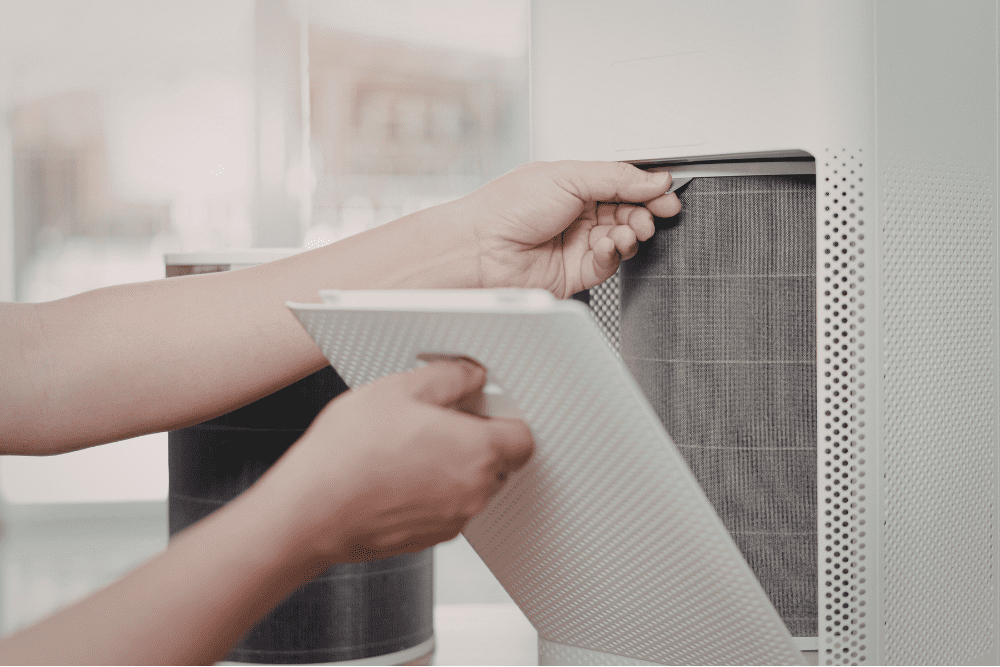
Advanced air filtration systems, including HEPA-grade solutions, capture fine particles such as allergens, dust, and airborne pollutants. Meanwhile, indoor air quality testing measures humidity levels, particulate matter, and other factors affecting comfort.
By combining filtration with ventilation, Kelvinaire Climate Control Solutions delivers a complete approach to improving indoor air quality that Melbourne properties can rely on.
Does Air Conditioning Fix Poor Indoor Air Quality?
Air conditioning helps regulate temperature, but it doesn’t automatically improve air quality. Without proper filtration and ventilation, air conditioners may simply recirculate existing pollutants.
A balanced system — combining cooling, ventilation, and filtration — ensures your indoor environment remains comfortable and healthy all year.
Why Melbourne Clients Choose Kelvinaire Climate Control Solutions
Choosing the right ventilation partner makes a real difference in long-term performance. Our team focuses on practical, tailored solutions rather than one-size-fits-all installations.
Clients choose Kelvinaire because we offer:
Local expertise in indoor air quality Melbourne solutions
Custom residential and commercial ventilation design
Certified HVAC and mechanical ventilation specialists
Honest advice with transparent recommendations
Ongoing maintenance and long-term support
We take a whole-system approach to ensure cleaner air, improved comfort, and efficient HVAC performance.
Take the First Step Toward Healthier Indoor Air
If you’re experiencing symptoms of poor indoor air quality Melbourne properties often face — or simply want to improve comfort and airflow — a professional assessment is the best place to start.
Kelvinaire Climate Control Solutions provides expert ventilation, filtration, and indoor air quality services tailored to Melbourne homes and businesses. Speak with our team today and discover how cleaner air can transform your indoor environment.

